CONCEIVING HOPE: EMPOWERING DREAMS
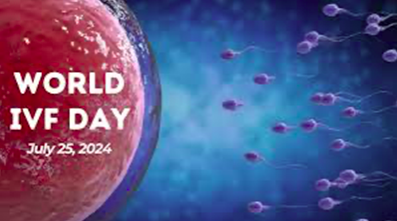
July 25th marks World IVF Day, a celebration of hope, resilience, and the miracle of life. In Vitro Fertilization (IVF) has revolutionized the journey to parenthood, offering a beacon of light to individuals and couples struggling with infertility. With over 10 million babies born worldwide through IVF since the first successful birth in 1978, this assisted reproductive technology has transformed the lives of millions.
As we observe World IVF Day, we honour the pioneers in fertility medicine, the dedicated healthcare professionals, and the courageous individuals who have embarked on this journey. We also acknowledge the emotional, financial, and physical challenges that come with infertility and IVF treatment.
In this article, we will delve into the history of IVF, its significance, and the impact it has on people’s lives. We will share explore the future of fertility treatments, highlighting the advancements and possibilities that lie ahead.”
History of IVF:
The journey to the first IVF birth began in the 1950s and 60s, when scientists like Robert Edwards and Patrick Steptoe pioneered the concept of fertilization outside the human body. Their groundbreaking work led to the development of the first IVF protocol.
- 1973: The first human embryo was created through IVF by Edwards and Steptoe.
- 1977: The first pregnancy through IVF was achieved, but unfortunately ended in miscarriage.
- July 25, 1978: Louise Brown, the world’s first IVF baby, was born in Oldham, England.
- October 3, 1978: World’s second IVF baby, Kanupriya Agarwal (Durga) was announced by Dr. Subhas Mukherji in Calcutta
- 1980s: IVF became more widely available, with the establishment of the first IVF clinics.
- 1990s: Advances in technology led to improved success rates and the introduction of ICSI (Intracytoplasmic Sperm Injection).
- 2000s: Further advancements in embryo culture, cryopreservation, and genetic testing have continued to improve IVF outcomes.
Today, IVF is a widely accepted and successful treatment for infertility, with millions of babies born worldwide through this technology.”
Importance of IVF:
IVF has revolutionised the treatment of infertility, offering hope to millions of individuals and couples worldwide. The importance of IVF can be seen in the following ways:
- Overcoming infertility: IVF provides a solution for people struggling with infertility due to various reasons such as blocked fallopian tubes, male factor infertility, endometriosis, or unexplained infertility.
- Building families: IVF enables individuals and couples to build their families, bringing joy and fulfillments to their lives.
- Reducing stigma: IVF has helped reduce the stigma associated with infertility, encouraging more people to seek help and talk openly about their struggles.
- Advancements in reproductive medicine: IVF has driven innovations in reproductive medicine, leading to a better understanding of human reproduction and improving treatment options.
- Empowering individuals: IVF provides individuals with control over their reproductive choices, enabling them to make informed decisions about their fertility.
- Supporting LGBTQ+ families: IVF has enabled LGBTQ+ individuals and couples to build their families through donor sperm, eggs, or surrogacy.
- Advanced Maternal Age: Women over 40 have successfully conceived through IVF, defying age-related infertility.
- Surrogacy: IVF has enabled individuals and couples to become parents through gestational surrogacy.
- Egg freezing: For women who wants to focus on their career need not to get worried about their biological clock. Also, It is an option for women facing medical conditions that may impact their fertility, such as cancer or early menopause.
- Single Parenthood: IVF has empowered single individuals to become parents through solo parenthood.
- Improving mental health: IVF can alleviate the emotional and psychological distress associated with infertility, improving overall mental health and well-being.
IVF has transformed the lives of millions, offering a chance at parenthood and a sense of fulfillment. Its importance extends beyond the medical realm, impacting individuals, families, and society as a whole.”
Challenges and Future:
While IVF has revolutionized infertility treatment, it’s not without challenges. Some of the emotional, financial, and physical challenges include:
Emotional Challenges:
– Stress and anxiety during the IVF process
– Coping with failed cycles and disappointment
– Emotional toll on relationships
Financial Challenges:
– High costs of IVF treatment
– Limited insurance coverage
– Financial burden on individuals and families
Physical Challenges:
– Invasive procedures and potential side effects
– Risk of multiple pregnancies and complications
– Physical and emotional exhaustion
Despite these challenges, the future of IVF looks promising:
Future Advancements:
– Improving success rates through technology and research
– Increased accessibility and affordability
– Expanded treatment options for diverse patient needs
– Personalized medicine and tailored approaches
– Potential for IVF to treat other medical conditions
Future Possibilities:
– Gene editing and genetic testing
– Artificial intelligence in IVF treatment
– Uterus transplantation and surrogacy advancements
– Fertility preservation for cancer patients and others
As we celebrate World IVF Day, we acknowledge the challenges while looking forward to a future where IVF becomes more accessible, effective, and empowering for individuals and families worldwide. Also we honour the triumphs, acknowledge the struggles, and look forward to a future where parenthood is within reach for all. IVF has come a long way since its inception, and its impact on humanity is immeasurable. It has brought joy to millions, comforted the grieving, and empowered the marginalized.
As we move forward, let us remember that IVF is not just a medical procedure, but a beacon of hope, a symbol of resilience, and a testament to human ingenuity. It reminds us that even in the darkest moments, there is always a glimmer of light, a chance to rebuild, and a possibility to create life.
In the words of Robert Edwards, the pioneer of IVF, ‘The most important thing in life is to learn how to give out love, and let it come in.’ Let us embrace this spirit of love, compassion, and hope as we continue to navigate the journey of IVF and beyond.
Happy World IVF Day!